We are constantly bombarded with home renovating shows, fabulous blogs and websites filled with images of beautiful homes and if you’re a renter that’s when it hits you…home ownership envy. But that doesn’t mean you need to be totally limited in your design choices. Here are 8 ideas to help make your rental your home without getting in trouble.
Refresh the window treatment
Not liking the outdated plastic vertical blinds consider replacing them with new venetians, cordless blinds or curtains, but remember don’t chuck out the old blinds as you’ll need to reinstall them when you go to leave and of course make sure you dont make any new holes in the wall when installing your new window treatment.
If you have your heart set on shutters it may be worth approaching your agent and asking whether the landlord would be prepared to go halves with you to install the shutters. You get to enjoy them while you are there and they get to keep them when you leave. This is great win / win situation.
Add some green living
Plants and flowers give an instant lift to any space so add them to your kitchen and living room. It’s clichéd to say they bring life to a room but it’s true, plus they have the added bonus of helping to clean the air and remove toxins. Cleaning the air and making it your own is a nice feeling especially if loads of other people have lived in there before you.
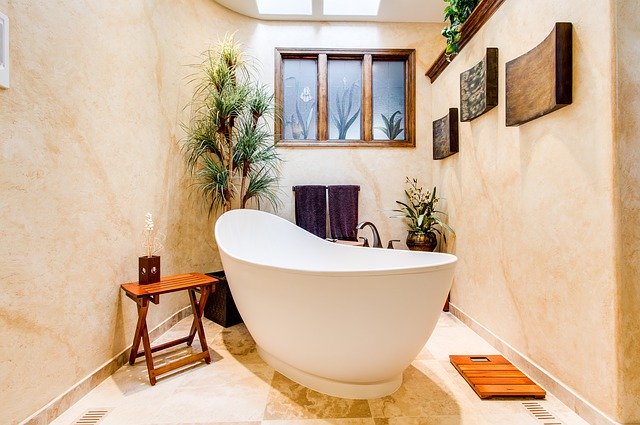
Don’t just limit your plants to the living room, add them into your bathroom too. Many plants, like cactus’, love the climate of a warm room and thrive in bathroom spaces.
Decorate the walls
Peel and stick vinyl stickers, called decals, which are super popular at the moment can be found it loads of interior stores and online. They come in all different colours and designs and are relatively inexpensive. They can be easily added and removed and a great way to add detail to your wall without damaging the paint underneath.
Another trick is use removable wallpaper and to create a feature wall. Made out of self-adhesive wall sticker fabric – it looks and feels like traditional wallpaper but you can easily DIY it as it requires no glue, no water and no tradesperson. Then when it is time to move, the removable wallpaper will peel off without leaving any residue or damaging the surface – making it a landlord friendly option.

Storage
Many rental properties lack storage which can make your home feel cluttered and messy. A good idea is to add furniture or accessories that can help with storage as well as making a statement.
A television cabinet with storage helps create order in the home, a coffee table with a lid and storage inside is handy to place items you don’t use a lot and a bookshelf is an ideal piece to balance decoration with storage. Consider mixing the bookshelves up by displaying items of different shapes and sizes. Group books together in colour order and have other shelves dedicated to displaying some of your favourite items – it’s as simple as that.
Add some artwork
Most landlords are not keen on their tenants drilling holes in the walls but you can use removable, self-adhesive hooks to hang your favourite piece. Just check what weight they can hold as they do vary.
If you’re renting an older property you may be lucky enough to have picture rails. This idea has been around since the 15th century, but it enables you to hang pictures from a moveable hook that can hold substantial weight and doesn’t damage the wall’s surface. Keep in mind heavy items may require 2 hooks. Of course fire place mantels are also good to place art work, candles, a plant and some personal knick knacks.
If you can’t hang anything on the walls, consider decorating from the floor up. A large mirror works well leaning against the wall as do prints, an old ladder with colourful scarves, bags and rugs also look great and adds a piece of interest
Add some personal flooring
If your rental’s flooring is ugly and your landlord isn’t keen to fix it, a good way to improve the look is to add a large neutral rug to cover the space and then add some colour and texture with layered rugs on top. A runner in a hall way can change the whole feel of an entrance or hallway leading to bedrooms and is relatively in-expensive.
Add a vignette
A what??? I hear you say. A vignette is a grouping of objects. It is usually made up of homewares such as a vase or bowl, some flowers and other natural elements, mementos and art and craft. They help to add personality to a space, to bring it to life. So find your favourite things that you have collected over the years and group them together to create a little display. These work well in the living room, on a dining table, in a bathroom and in your bedroom.
Upgrade the light fixtures
Rentals often come with some very ugly lighting and while it is probably not practical to change all the light fittings, spending some time and money upgrading those that are in high traffic rooms can make a big difference. If you have bare bulbs or ugly pendants an easy way to refresh these is to replace the shades. Don’t throw anything away, as upon leaving, you might be asked to “make good” and restore the property back to the same condition as when you moved in
Table lamps positioned in a hall or on a side table can create a homely feel and add some character and personality to your space.